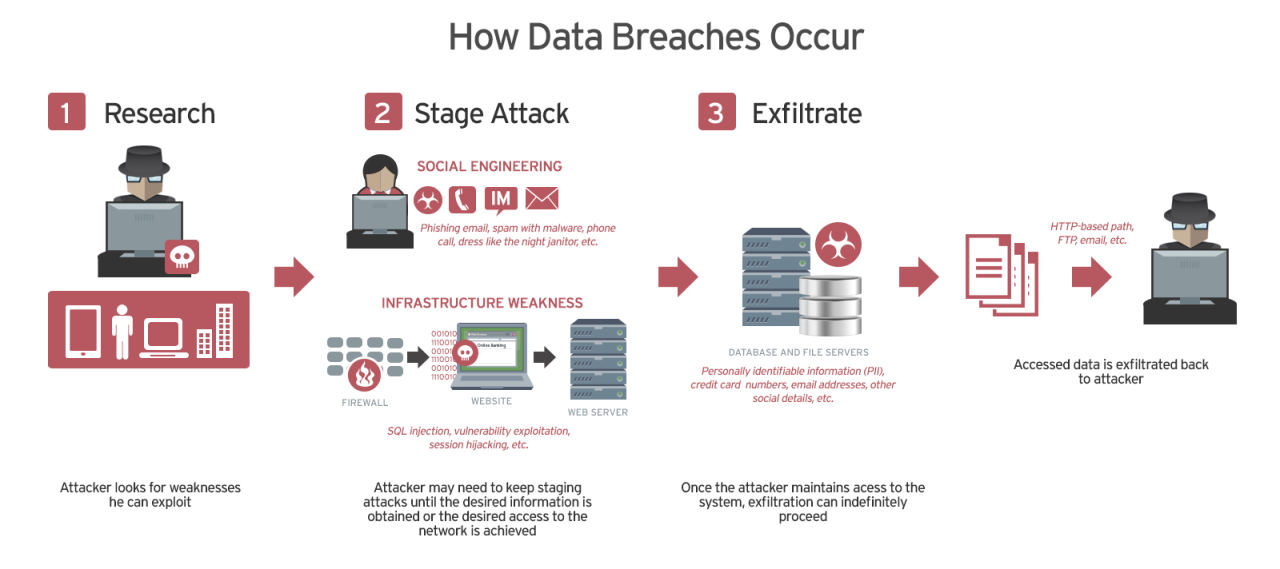
Data Breaches in Online Payments: What to Do is a pressing topic in our increasingly digital world, where convenience often comes with risks. With the rise of online transactions, the security of personal and financial information has never been more critical. As incidents of data breaches escalate, understanding not just the nature of these threats but also the steps to safeguard oneself becomes vital for anyone engaging in digital commerce.
This discussion delves into the nuances of data breaches within online payments, exploring the methods by which these breaches occur, their consequences, and the proactive measures that consumers and businesses can take to protect sensitive information. In a landscape fraught with cyber threats, being informed is the first step towards security.
In a world overflowing with information, the ability to persuade has become an invaluable skill. Whether in business, social interactions, or personal relationships, the power of persuasion can open doors, ignite passions, and foster connections. But what exactly makes words persuasive? How can we harness this power to create a lasting impact?
Understanding Persuasion: Data Breaches In Online Payments: What To Do
At its core, persuasion is about influence. It’s the art of convincing someone to see things from your perspective, to take action, or to embrace a certain idea. To persuade effectively, one must understand the psychology behind decision-making. Human beings are not just rational thinkers; they are emotional creatures driven by feelings, desires, and beliefs. Thus, tapping into both logic and emotion is essential for effective persuasion.
The Elements of Persuasive Communication
1. Ethos (Credibility): Establishing your credibility is the foundation of persuasive communication. People are more likely to be influenced by someone they trust. This can be achieved through showcasing your expertise, sharing relevant experiences, or demonstrating integrity.
2. Pathos (Emotional Appeal): Emotions play a significant role in decision-making. Crafting messages that evoke emotions can create a powerful connection. Whether it’s joy, empathy, or even fear, tapping into these feelings can motivate action.
3. Logos (Logical Argument): While emotions are crucial, logic cannot be overlooked. Presenting clear, rational arguments supported by data, facts, and examples can solidify your case and appeal to the analytical side of your audience.
Creating Compelling Content
Now that we understand the elements of persuasion, let’s explore how to create compelling content that resonates with your audience. Consider the following strategies:
1. Know Your Audience
Understanding your audience is paramount. Research their interests, challenges, and values. Tailoring your message to address their specific needs will make it more relevant and engaging. Use language that resonates with them, and be mindful of their preferences and cultural context.
2. Tell a Story, Data Breaches in Online Payments: What to Do
Humans are natural storytellers. Incorporating storytelling into your communication can captivate your audience and make your message more relatable. A well-crafted narrative can evoke emotions and create a shared experience, making your argument more persuasive. Consider using anecdotes, case studies, or personal experiences to illustrate your points.
3. Use Vivid Language
Paint a picture with your words. Using descriptive and vivid language not only captures attention but also enhances understanding. Metaphors, similes, and sensory details can create an immersive experience for your audience, making your message more memorable.
4. Address Counterarguments
Anticipate objections and address them head-on. Acknowledging differing viewpoints demonstrates that you have considered the issue from multiple angles. By addressing counterarguments, you can strengthen your position and build trust with your audience.
5. Include a Call to Action
Every persuasive message should conclude with a clear call to action. Whether it’s encouraging the audience to subscribe, make a purchase, or change their mindset, a well-defined call to action directs the audience towards the next step, making it easier for them to respond to your message.
The Role of Digital Communication
In today’s digital age, the landscape of communication has transformed dramatically. Social media, blogs, and online platforms offer unprecedented opportunities for persuasive communication. However, the principles of persuasion remain constant. Here are some tips for effective digital persuasion:
1. Engage with Authenticity
Online audiences crave authenticity. Be genuine in your communication and show your true self. This builds trust and fosters a deeper connection with your audience. Share your values, insights, and even vulnerabilities to resonate on a personal level.
2. Leverage Visuals
Visual content is more engaging than text alone. Utilize images, videos, and infographics to complement your message. Visuals can enhance understanding and retention, making your persuasive efforts even more impactful.
3. Optimize for Search
To reach a wider audience, optimize your content for search engines. Use relevant s that your target audience is likely to search for. This increases visibility and ensures your persuasive messages reach those who need to hear them most.
Conclusion
Mastering the art of persuasion is a journey that requires practice, empathy, and a deep understanding of human nature. By integrating ethos, pathos, and logos into your communication, you can create compelling messages that resonate with your audience. Remember to engage authentically, tell stories, and craft vivid language that captivates the imagination. In a world where attention is scarce, let your words shine and inspire action.
The power to persuade is not just a skill; it is a gift that can transform lives, build bridges, and create lasting impact.