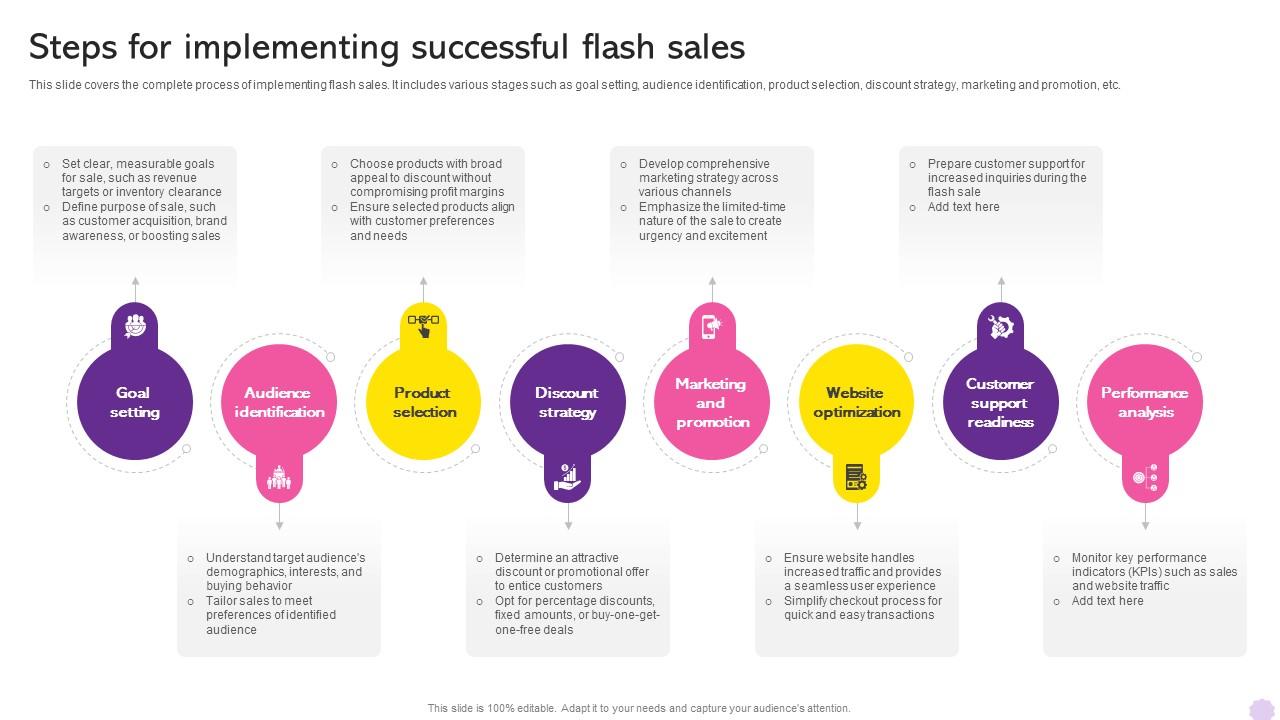
“Evaluating the Success of Flash Sales Campaigns” sets the stage for this enthralling narrative, offering insights into how these high-energy marketing strategies can drive remarkable engagement and conversions. Flash sales are not merely a trend but a powerful tool in the arsenal of retailers aiming to create urgency and boost sales within a short time frame. Understanding their effectiveness requires a deep dive into metrics such as conversion rates, customer acquisition, and the overall impact on brand loyalty, making this evaluation essential for businesses looking to capitalize on fleeting opportunities in a dynamic market.
Have you ever wondered why some people can effortlessly sway opinions, inspire action, or convince others to see things their way? The ability to persuade is not just an innate talent; it is a skill that can be honed through understanding and practice. In a world overflowing with information and competing voices, mastering the art of persuasion can be the key to success in both personal and professional realms.
This article explores the intricate web of persuasive communication, its underlying principles, and practical strategies for becoming a more convincing communicator.
Understanding Persuasion
At its core, persuasion is about influencing someone’s beliefs, attitudes, or behaviors. It’s a dance of dialogue, where intention and perception intertwine. To persuade is to connect with others on a deeper level, to resonate with their values, and to engage their emotions. The Greek philosopher Aristotle laid the groundwork for understanding persuasion through his rhetorical appeals: ethos (credibility), pathos (emotional connection), and logos (logical reasoning).
1. Ethos
Establishing Credibility
The first step in persuasive communication is establishing your credibility. People are more likely to listen to someone they perceive as knowledgeable and trustworthy. This is where ethos shines. Whether you’re pitching a business proposal, presenting a project at work, or engaging in a casual debate, demonstrating your expertise can significantly enhance your persuasive efforts.
To build ethos, consider the following strategies:
- Be Authentic: Authenticity breeds trust. Be genuine in your interactions and let your true self shine.
- Show Expertise: Share your qualifications, experiences, or insights related to the subject at hand.
- Demonstrate Empathy: Understand your audience’s perspective and show that you care about their needs and concerns.
2. Pathos
Connecting Emotionally
While logical arguments are important, emotions often drive decisions. Pathos taps into this emotional core, enabling you to connect with your audience on a personal level. Stories, anecdotes, and vivid imagery can evoke feelings that resonate deeply, making your message more memorable and impactful.
Here are some techniques to evoke pathos effectively:
- Tell Stories: Personal stories or relatable anecdotes can create an emotional bond and enhance understanding.
- Use Vivid Language: Strong, descriptive language paints a picture that can stir emotions and engage the imagination.
- Appeal to Shared Values: Identify and express values that resonate with your audience’s beliefs and experiences.
3. Logos
The Power of Logic
Logos is about appealing to reason and logic. While emotions are powerful, rational arguments can provide the foundation necessary for persuasion. By presenting clear, logical reasoning and backed-up evidence, you can help your audience understand why your perspective is valid and worth considering.
To strengthen your logos approach, consider these strategies:
- Use Facts and Statistics: Data-driven information adds credibility to your argument and helps to convince skeptical audiences.
- Provide Clear Reasoning: Structure your arguments logically, leading your audience through your thought process step by step.
- Address Counterarguments: Anticipate opposing views and address them thoughtfully, showing that you’ve considered multiple perspectives.
The Power of Nonverbal Communication
While words are essential, nonverbal communication can significantly impact the persuasive process. Body language, tone of voice, and facial expressions all contribute to how your message is received. Being aware of these nonverbal cues can enhance your persuasive power.
1. Body Language
Your body language can convey confidence and openness. Maintain eye contact, use appropriate gestures, and ensure your posture is inviting. These nonverbal cues can reinforce your message and establish rapport with your audience.
2. Tone of Voice
The way you say something often matters as much as what you say. A warm, enthusiastic tone can engage listeners, while a monotone delivery may lead to disinterest. Vary your tone and pacing to maintain engagement and emphasize key points.
3. Facial Expressions
Facial expressions can reveal emotions and intentions. A genuine smile can create a sense of connection, while a furrowed brow may indicate concern or seriousness. Being in tune with your emotions and expressing them can enhance your persuasive appeal.
Practical Tips for Effective Persuasion: “Evaluating The Success Of Flash Sales Campaigns”
Now that we’ve explored the foundational elements of persuasion, let’s delve into some practical tips that can enhance your ability to persuade effectively.
1. Know Your Audience
Understanding your audience is paramount. What are their values, needs, and concerns? Tailoring your message to align with their interests can significantly improve your chances of persuasion. Conduct research, ask questions, and listen actively to gather insights.
2. Be Clear and Concise, “Evaluating the Success of Flash Sales Campaigns”
In a world filled with distractions, clarity is essential. Avoid jargon and convoluted language. Instead, use simple and straightforward language to articulate your message. A concise message is more likely to be understood and remembered.
3. Create a Sense of Urgency
Sometimes, people need a little push to take action. Creating a sense of urgency can motivate your audience to respond. Whether it’s a limited-time offer, an impending deadline, or the fear of missing out, highlighting the importance of acting now can spur action.
4. Practice Active Listening
Persuasion is as much about listening as it is about speaking. Engage in active listening to show that you value your audience’s input. This not only strengthens your connection but also allows you to address their concerns and tailor your message accordingly.
Conclusion
Mastering the art of persuasion is not about manipulation; it’s about effective communication. By understanding and applying the principles of ethos, pathos, and logos, you can enhance your persuasive capabilities. Combining these elements with strong nonverbal communication and practical strategies can empower you to become a more effective communicator.
So, whether you’re looking to influence a colleague, inspire your team, or engage your friends in meaningful discussions, remember that persuasion is a powerful tool. With practice and intention, you can unlock the potential of your words and become a compelling force in any conversation.