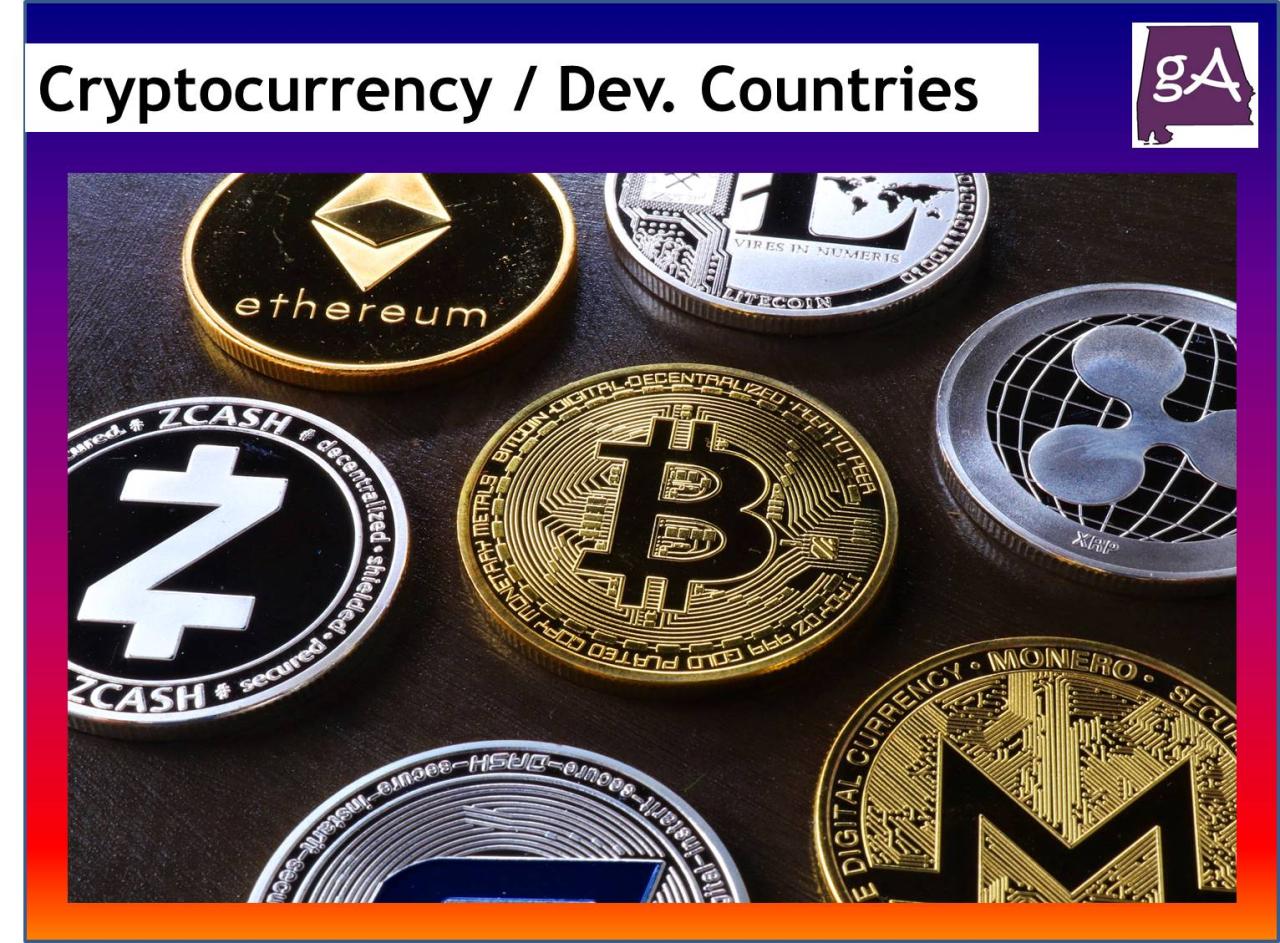
How Cryptocurrencies Are Being Used in Developing Countries sets the stage for an intriguing exploration of how digital currencies are reshaping the economic landscape in regions that traditionally face financial obstacles. As the world becomes increasingly interconnected, cryptocurrencies are emerging as vital tools for empowering individuals, promoting financial inclusion, and facilitating cross-border transactions. In many developing countries, where access to banking services is limited, these digital assets are not just a trend but a lifeline that offers new opportunities for trade and investment.
From enabling microtransactions to providing secure methods for remittances, cryptocurrencies are allowing communities to bypass traditional financial systems that may exclude them. With innovative blockchain technology at their core, these digital currencies are creating pathways toward economic resilience and growth, often in ways that traditional currencies cannot achieve. As we dive deeper into this topic, we will uncover the various ways cryptocurrencies are transforming lives and economies in developing nations.
In today’s fast-paced digital world, the significance of technology cannot be overstated. It permeates every aspect of our lives, from the way we communicate and work to how we access information and entertainment. This article aims to explore the profound influence technology has had on society, particularly focusing on its impact on communication, education, and daily life.To begin with, let’s delve into communication.
The advent of smartphones and social media has transformed the way we interact with one another. Once upon a time, the primary means of communication were face-to-face conversations, letters, and landline telephones. Today, we can connect with anyone around the globe in mere seconds through instant messaging apps and social platforms. This shift has not only made communication more accessible but has also fostered a sense of global community.
People can share their thoughts, experiences, and cultures, breaking down geographical barriers that once separated us.However, while technology has significantly enhanced communication, it has also introduced challenges. The prevalence of social media can lead to misunderstandings, as tone and intent can often be lost in written messages. Furthermore, the constant connectivity can foster a sense of anxiety and pressure to remain engaged.
The phenomenon of “FOMO” (Fear of Missing Out) has emerged as individuals feel compelled to stay updated with their online circles. Thus, while technology has made communication easier, it also presents new hurdles that society must navigate.Next, let’s examine the impact of technology on education. In recent years, there has been a significant shift towards digital learning environments. Classrooms are no longer confined to four walls; students can access a wealth of information and resources online.
This shift has democratized knowledge, allowing learners from diverse backgrounds to access quality education. Platforms like MOOCs (Massive Open Online Courses) have made it possible for anyone with an internet connection to learn new skills, often for free or at a low cost.Moreover, technology has also enabled personalized learning experiences. Adaptive learning software can tailor educational content to meet the individual needs of students, ensuring that no one is left behind.
This customization can lead to better engagement and improved outcomes, as learners can progress at their own pace. However, it’s important to note that the digital divide remains a significant issue. Not everyone has equal access to technology or the internet, which can exacerbate existing educational inequalities. As we continue to embrace technology in education, it’s crucial to address these disparities to ensure that all students can benefit from the digital revolution.In our daily lives, technology has also made a remarkable impact.
From smart home devices that automate mundane tasks to wearable technology that monitors our health, our lives have become increasingly intertwined with gadgets and applications. For instance, the rise of e-commerce has revolutionized shopping. Consumers can now browse and purchase products from the comfort of their homes, often with just a few clicks. This convenience has altered the retail landscape, prompting traditional brick-and-mortar stores to adapt or even close their doors.Furthermore, technology has influenced how we manage our time and responsibilities.
Calendar apps, task management tools, and reminder systems help individuals stay organized and productive. However, this reliance on technology can also lead to a blurred line between work and personal life. The expectation to be constantly available can result in burnout for many, as they struggle to disconnect from work obligations.Moreover, the entertainment industry has undergone a seismic shift due to technological advancements.
Streaming services have changed how we consume media, moving away from traditional cable subscriptions to on-demand viewing. This change has not only provided consumers with greater choice but has also led to the creation of diverse content that reflects a broader range of voices. However, the abundance of options can sometimes feel overwhelming, leading to “choice overload,” where individuals struggle to make decisions on what to watch or listen to.As we navigate this technology-driven world, it’s essential to consider the ethical implications that accompany these advancements.
Issues surrounding data privacy, cybersecurity, and the influence of algorithms on our choices are increasingly relevant. As individuals, we must cultivate a sense of digital literacy, understanding not just how to use technology but also how to protect ourselves in an age where our personal information is often at risk.In conclusion, technology has undeniably transformed our lives in significant ways, reshaping how we communicate, learn, and engage with the world around us.
While it presents remarkable opportunities for connection, education, and convenience, it also introduces new challenges that we must address. As we embrace the benefits of technology, let us remain mindful of its pitfalls and work towards creating a balanced approach that maximizes its potential while minimizing its drawbacks. The future will undoubtedly hold even more innovations and changes, and it is up to us to navigate this evolving landscape thoughtfully.