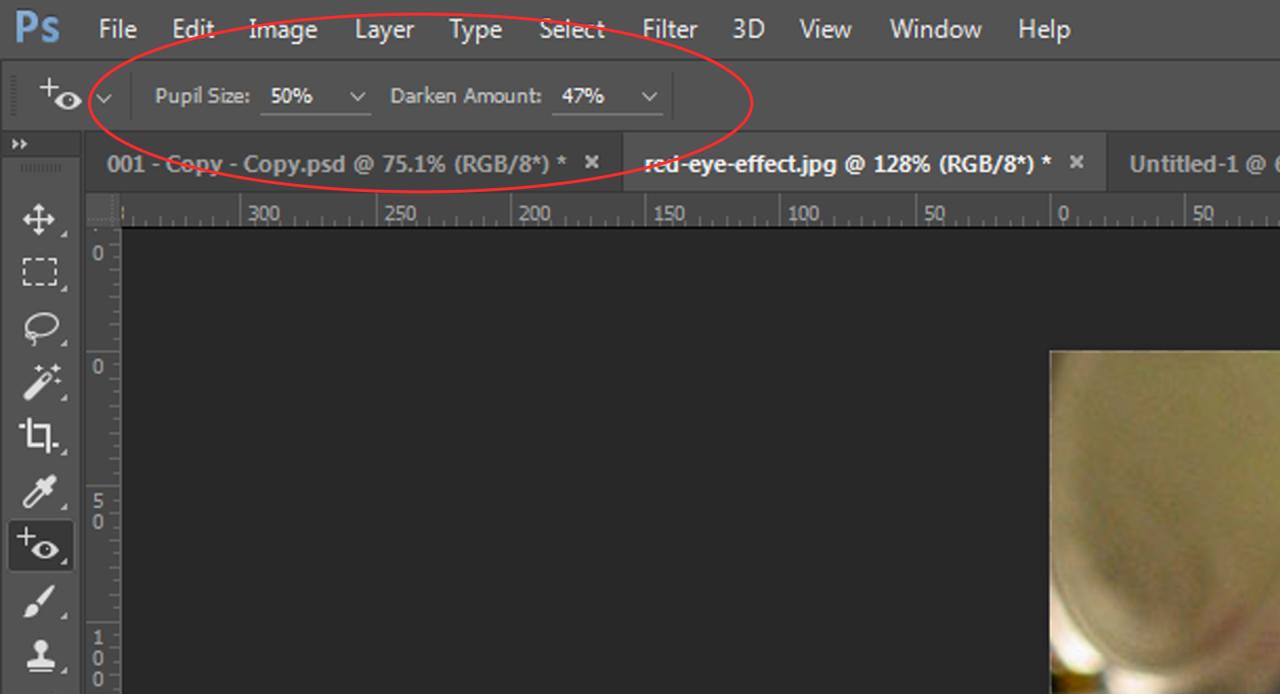
How to Remove Red-Eye in Photoshop is a must-know skill for anyone looking to enhance their photography. This common issue, often caused by flash photography, can detract from the beauty of your images, turning bright smiles into unsettling looks. Luckily, with the right techniques, you can effortlessly restore the natural allure of your subjects and leave them shining in their best light.
In this guide, we will explore straightforward methods to eliminate red-eye efficiently, ensuring that your photos retain their charm and professionalism. Whether you’re a novice or a seasoned editor, mastering this quick fix will elevate your photo editing prowess and enhance your visual storytelling.
In a world inundated with information and constant stimulation, creativity emerges as a beacon of innovation and ingenuity. But what exactly is creativity? Is it merely the domain of artists, writers, or musicians, or does it extend far beyond that? The truth is, creativity is an innate quality that resides in every individual, waiting to be unlocked and unleashed. In this article, we’ll delve deep into the essence of creativity, explore its multifaceted nature, and reveal how harnessing it can lead to extraordinary achievements in both personal and professional realms.
Understanding Creativity: How To Remove Red-Eye In Photoshop
At its core, creativity is the ability to generate new ideas or concepts, or to see existing concepts in a new light. It’s the process of transforming the mundane into the extraordinary. A common misconception is that creativity is limited to artistic endeavors. However, it permeates every aspect of life—from solving everyday problems to making scientifically groundbreaking discoveries. In fact, many of history’s greatest inventors and thinkers, such as Albert Einstein and Leonardo da Vinci, were celebrated for their creative approaches to science and art alike.
The Science Behind Creativity
Research in psychology and neuroscience has revealed fascinating insights into how creativity works. It involves both divergent thinking—the ability to generate multiple solutions to a problem—and convergent thinking, which is about honing in on the best solution. The brain’s default mode network (DMN) plays a crucial role in creativity. This network activates when we engage in daydreaming or wandering thoughts, enabling the brain to make connections between seemingly unrelated concepts.
Moreover, studies have shown that creativity can be enhanced by certain conditions. A conducive environment, emotional well-being, and even physical activity can significantly boost creative output. For instance, taking a walk can stimulate the brain, helping you think outside the box. This implies that there are actionable steps we can take to enhance our creativity.
Barriers to Creativity
Despite its importance, many people struggle with creativity, often due to self-imposed barriers. Fear of failure, perfectionism, and societal pressures can stifle the creative spirit. It’s easy to fall into the trap of comparing ourselves to others, leading to self-doubt and inhibiting our ability to express ourselves freely. The key to overcoming these barriers lies in reframing our mindset. Embracing a growth mindset—where we view challenges as opportunities for learning—can pave the way for creative breakthroughs.
Harnessing Creativity in Daily Life
So how can we cultivate our creative potential in our everyday lives? Here are some practical strategies:
- Practice Mindfulness: Engaging in mindfulness exercises can clear mental clutter and help you focus on the present, opening the door to creative insights.
- Journaling: Writing down your thoughts and ideas can lead to unexpected connections and spark inspiration. Don’t be afraid to let your imagination run wild.
- Engage with Diverse Perspectives: Surround yourself with people from different backgrounds and disciplines. Exposing yourself to various viewpoints can ignite new ideas and foster innovation.
- Allow for Play: Give yourself permission to experiment and play. The pressure to produce can stifle creativity, so embrace the idea of ‘playing’ with concepts and ideas.
The Impact of Creativity on Problem Solving
In professional settings, creativity is often the lifeblood of innovation. Companies that foster a culture of creativity tend to outperform their competitors. Creative problem-solving encourages employees to approach challenges with an open mind, leading to unique solutions that can propel organizations forward. For instance, the tech giant Google has famously employed a 20% time policy, allowing employees to dedicate a fraction of their work hours to projects they are passionate about.
This practice has led to groundbreaking ideas like Gmail and Google Maps.
Creativity and Collaboration
Moreover, collaboration can significantly enhance creativity. When individuals come together to share ideas, build on one another’s strengths, and challenge existing notions, the result is often a fertile ground for innovation. Creative collaboration can occur in various forms, such as brainstorming sessions, workshops, or even informal gatherings. The key is to create a safe space where everyone feels valued and encouraged to contribute their ideas.
Embracing a Creative Future
As we move further into the 21st century, the importance of creativity in our lives cannot be overstated. In an age marked by rapid technological advancement and significant social changes, creativity will be the driving force behind our ability to adapt and thrive. The challenges we face—from climate change to societal inequality—demand innovative solutions, and it is creativity that will guide us toward a brighter future.
To truly unlock the potential of creativity, we must foster environments, both personally and professionally, that encourage exploration and expression. This involves challenging the status quo, embracing failure as a stepping stone to success, and nurturing a community where ideas can flourish. In doing so, we not only enrich our lives but also contribute to the collective creativity that propels society forward.
Conclusion
In summary, creativity is a powerful tool that lies within each of us. By understanding its nature, overcoming barriers, and actively seeking to cultivate our creative potential, we can unlock extraordinary possibilities. Whether in our personal lives or professional pursuits, creativity can transform the mundane into the marvelous. Embrace your inner creator, and let your imagination soar—because the world is waiting for your unique contributions.