Mobile Payment Trends in Asia and Africa are transforming the financial landscape across two dynamic regions. With a surge in smartphone adoption and internet connectivity, these trends are reshaping how consumers and businesses engage with money. This evolution is not just about convenience; it’s about empowering millions and fostering financial inclusion in countries where traditional banking is often out of reach.
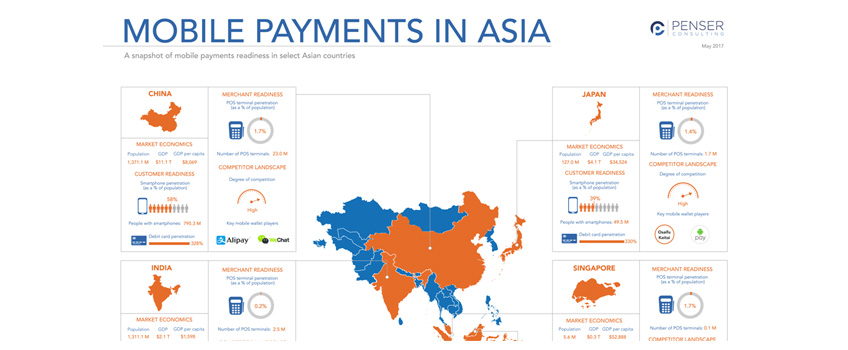
The rapid growth of mobile payment platforms is driven by innovative technologies and a shift in consumer behavior, making transactions faster and more efficient. From bustling markets in Southeast Asia to vibrant cities in Africa, mobile payments are not merely a trend; they are a crucial part of daily life, enabling individuals to pay bills, make purchases, and transfer funds with unprecedented ease.
In a world that thrives on communication, the ability to persuade is one of the most powerful skills one can possess. Whether in business, personal relationships, or even casual conversations, the art of persuasion can shape outcomes, motivate actions, and foster connections. But what exactly makes persuasion an art? And how can we master this compelling skill to unlock the doors of success?
Understanding Persuasion
At its core, persuasion is not about manipulation or coercion; it is about influence. It is an essential tool that can be used for good or ill. The key to effective persuasion lies in understanding the psychology of the audience. People are driven by emotions, values, and beliefs. By tapping into these elements, we can craft messages that resonate deeply and inspire action.
The Psychology of Persuasion
Psychologist Robert Cialdini, in his groundbreaking book “Influence: The Psychology of Persuasion,” Artikels six principles that underlie the mechanics of persuasion:
- Reciprocity: People are more likely to comply with a request if they feel they owe you something.
- Commitment and Consistency: Once people commit to something, they are more likely to follow through.
- Social Proof: Individuals often look to others for cues on how to think, feel, or act.
- Authority: People tend to follow the lead of credible experts.
- Scarcity: Items or opportunities become more desirable as they become less available.
- Liking: We are more easily persuaded by people we like.
Crafting Your Message
The first step in persuasion is crafting a compelling message. This involves understanding your audience’s needs, desires, and pain points. Here’s how to do it:
- Know Your Audience: Conduct research to understand who you are speaking to. What are their interests? What motivates them?
- Establish Credibility: Position yourself as an authority on the topic. Share your qualifications, experiences, and knowledge to build trust.
- Make It Relatable: Use stories and examples that your audience can relate to. Personal anecdotes can forge a connection and make your message more memorable.
- Use Clear and Concise Language: Avoid jargon and overly complex phrases. Your message should be easy to understand and digest.
- Include a Call to Action: Clearly state what you want your audience to do after receiving your message. Be specific and direct.
Engaging Your Audience
Engaging your audience is crucial in persuasion. Here are some effective techniques:
- Ask Questions: Involve your audience by asking thought-provoking questions that encourage participation.
- Use Visuals: Incorporate images, graphs, and videos to make your message more impactful and easier to understand.
- Utilize Storytelling: Stories have the power to captivate listeners. Weave narratives that emphasize your points and evoke emotions.
- Be Passionate: Your enthusiasm can be contagious. Show your passion for the subject, and your audience will likely feel it too.
- Listen Actively: Engage in two-way communication. Listen to feedback and adapt your message as needed.
Overcoming Resistance
Resistance is a natural part of the persuasion process. People may have preconceived notions or biases that hinder their acceptance of new ideas. Here are some strategies to overcome resistance:
- Address Concerns: Acknowledge potential objections and address them head-on. Provide clear, logical responses to alleviate fears.
- Use Empathy: Demonstrating understanding and compassion can break down barriers. Show your audience that you value their perspective.
- Provide Evidence: Back up your claims with data, testimonials, and case studies that reinforce your points.
- Be Patient: Persuasion takes time. Don’t rush the process. Allow your audience to process the information and come to their conclusions.
Practicing the Art
Like any skill, persuasion requires practice. Seek opportunities to hone your abilities in everyday life. Engage in conversations where you can present ideas and observe the reactions of others. Experiment with different approaches and refine your techniques based on feedback. Remember, the goal is not just to persuade but also to foster understanding and build relationships.
Conclusion: Mobile Payment Trends In Asia And Africa
The art of persuasion is a powerful tool that can open doors and change lives. By understanding the principles of influence, crafting compelling messages, engaging your audience, and overcoming resistance, you can master this skill and become a more effective communicator. Embrace the journey of persuasion, and watch as your newfound abilities transform your personal and professional interactions. Remember, persuasion is not just about getting what you want; it’s about connecting, inspiring, and making a positive impact on those around you.