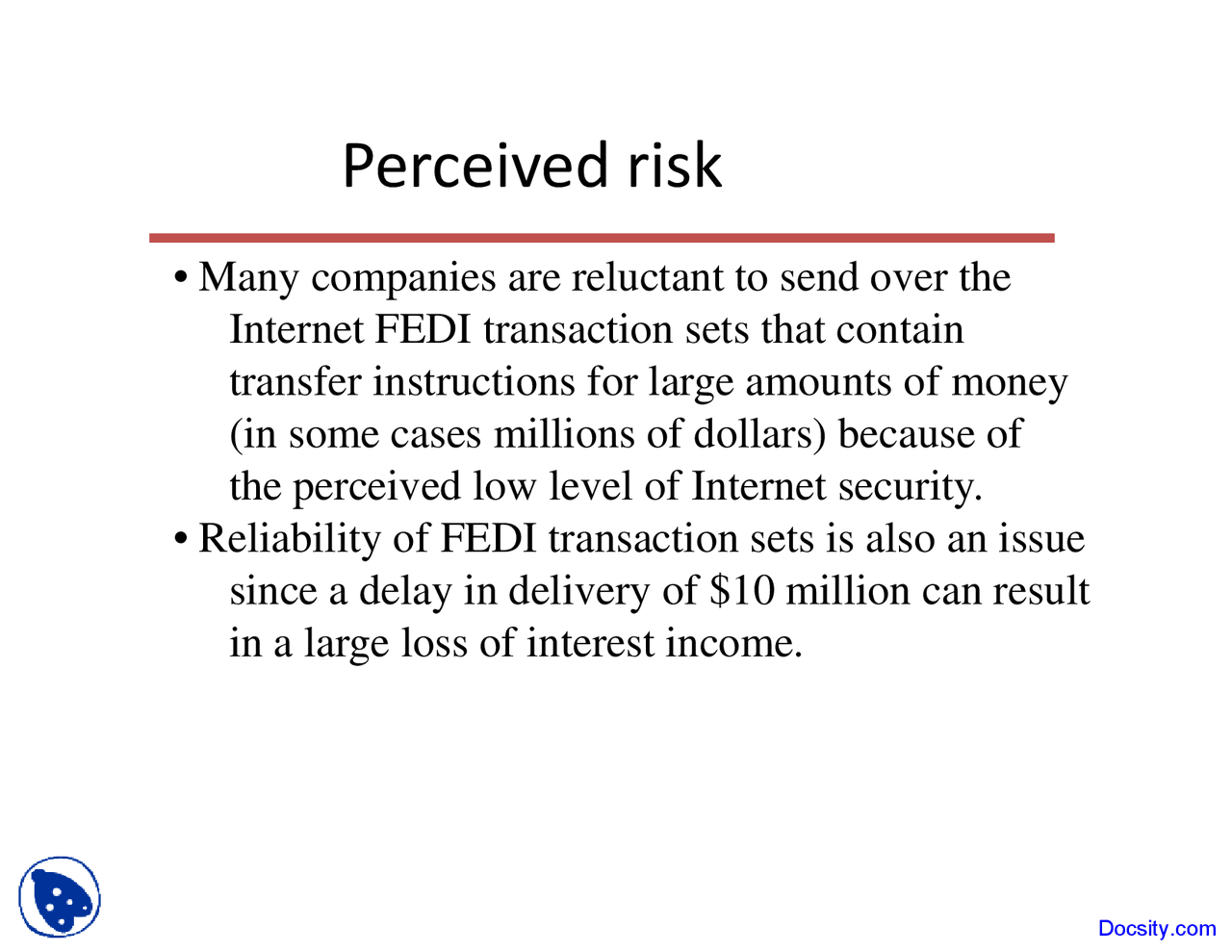
The Effect of Perceived Risk on Online Shopping Intention is a fascinating topic that highlights how consumers navigate the often murky waters of online retail. As e-commerce continues to flourish, understanding the factors that shape shopping intentions becomes increasingly crucial. Perceived risk, encompassing various dimensions such as financial, product, and privacy concerns, plays a pivotal role in influencing whether a consumer will complete a purchase or abandon their cart.
Exploring this interplay not only sheds light on consumer behavior but also provides insights for businesses looking to refine their online strategies.
In an age where online shopping is woven into the fabric of daily life, the significance of perceived risk cannot be overstated. It affects consumer trust, purchase decisions, and overall satisfaction with the shopping experience. By examining these perceptions, we can better understand the barriers that potential buyers face and the ways in which companies can mitigate these risks to foster a more inviting online shopping environment.
In today’s fast-paced world, communication has become an essential part of our daily lives. Whether it’s through social media, emails, or traditional face-to-face conversations, the way we express our thoughts and ideas can significantly influence our relationships and professional success. With this in mind, let’s explore the nuances of effective communication, its importance, and how we can improve our skills.Effective communication encompasses several key elements: clarity, conciseness, empathy, active listening, and body language.
Each of these components plays a vital role in how our messages are received and understood. Clarity is the cornerstone of effective communication. When we communicate, it’s crucial to articulate our thoughts in a straightforward manner. This means avoiding jargon, complex vocabulary, and ambiguous statements that can lead to misunderstandings. For example, when giving instructions at work, it’s best to be specific about what is required.
Instead of saying, “Make sure to finish that report soon,” it would be clearer to say, “Please complete the report by 3 PM tomorrow.” This ensures that the recipient knows exactly what is expected of them.Conciseness is equally important. In a world where attention spans are dwindling, being able to convey a message succinctly can make a significant difference. This doesn’t mean we should strip our messages of necessary details; rather, we should focus on eliminating redundancy and filler words.
For instance, instead of saying, “In my opinion, I think that we should consider the possibility of exploring new marketing strategies,” a more concise way to express this would be, “We should explore new marketing strategies.” Empathy is another essential element of effective communication. Understanding and acknowledging the feelings and perspectives of others can foster stronger connections and help resolve conflicts.
When we communicate with empathy, we show that we value the thoughts and emotions of others. This could be as simple as saying, “I understand that you’re feeling overwhelmed, and I’m here to help.” Active listening goes hand-in-hand with empathy. It involves being fully present in the conversation and engaging with the speaker. This means not only hearing their words but also paying attention to their tone and body language.
Good active listening skills can be demonstrated by nodding, maintaining eye contact, and summarizing what the speaker has said to ensure understanding. For example, responding with, “So what you’re saying is that you feel overworked and need assistance with your tasks,” shows that you genuinely care about their concerns. Body language is often an overlooked aspect of communication. Nonverbal cues can convey messages just as powerfully, if not more so, than words.
Gestures, facial expressions, posture, and eye contact all play a significant role in how we communicate. For instance, crossing your arms may signal defensiveness, while an open posture can indicate receptiveness. Being aware of your body language and that of others can help enhance the communication process. Now that we’ve explored the key elements of effective communication, let’s discuss its importance in various aspects of our lives.
In personal relationships, good communication fosters understanding and strengthens bonds. Couples who communicate openly and honestly are more likely to resolve conflicts and build trust. For example, discussing feelings and concerns openly can prevent misunderstandings that could lead to resentment. In the workplace, effective communication is critical for teamwork and productivity. When team members communicate clearly, projects run more smoothly, and expectations are understood.
This can lead to increased job satisfaction and reduced turnover rates. Moreover, leaders who communicate effectively are more likely to inspire and motivate their teams. In addition to improving relationships and workplace dynamics, effective communication also plays a significant role in personal development. Being able to express oneself clearly can enhance self-confidence and assertiveness. When individuals can articulate their thoughts, needs, and boundaries, they are more likely to be respected and valued by others.
Improving our communication skills is an ongoing process. Here are a few practical tips to help you become a more effective communicator:
1. Practice Active Listening Make a conscious effort to listen more than you speak. Show genuine interest in what others are saying, and respond thoughtfully.
2. Be Mindful of Your Body Language Pay attention to your nonverbal cues and ensure that they align with the message you are trying to convey.
3. Seek Feedback Don’t hesitate to ask trusted friends or colleagues for feedback on your communication style. This can provide valuable insights into areas for improvement.
4. Engage in Conversations The more you practice communicating, the more comfortable you will become. Engage in discussions with people from different backgrounds and perspectives to broaden your understanding.
5. Read and Write Regularly Reading a variety of materials can expose you to different styles of communication and expand your vocabulary. Writing, whether in a journal or through creative outlets, can improve your clarity and conciseness.
6. Stay Open-Minded Be willing to consider other viewpoints and engage in respectful debates. Open-mindedness encourages healthier communication and fosters a more inclusive environment.In conclusion, effective communication is a fundamental skill that can enhance our personal and professional lives. By focusing on clarity, conciseness, empathy, active listening, and body language, we can create more meaningful connections and foster a positive environment. Whether in our personal relationships or workplace interactions, the ability to communicate effectively can lead to greater understanding, collaboration, and success.
So why not take the time to improve your communication skills today? The benefits are undeniable, and the journey toward becoming a better communicator is well worth the effort.